Related Articles
- The Role of Cultural Norms and Social Pressure in Shaping Corporate Tax Behaviors Across Borders
- Top 6 Game-Changing HR Analytics Platforms Since 2019 Revolutionizing Employee Rights Enforcement
- The Unexpected Impact of Cultural Appropriation on Copyright Claims and Creative Ownership Debates
- Unveiling the Role of AI in Detecting Counterfeit Trademarks Before Official Approval
- The Quiet Impact of Cultural Nuances on Negotiation Dynamics in Global Business Agreements
- The Hidden Role of Psychometric Profiling in Choosing Co-Founders for Startup Success
6 Surprising Trademark Battles Behind Popular Smart Home Devices Released Since 2019
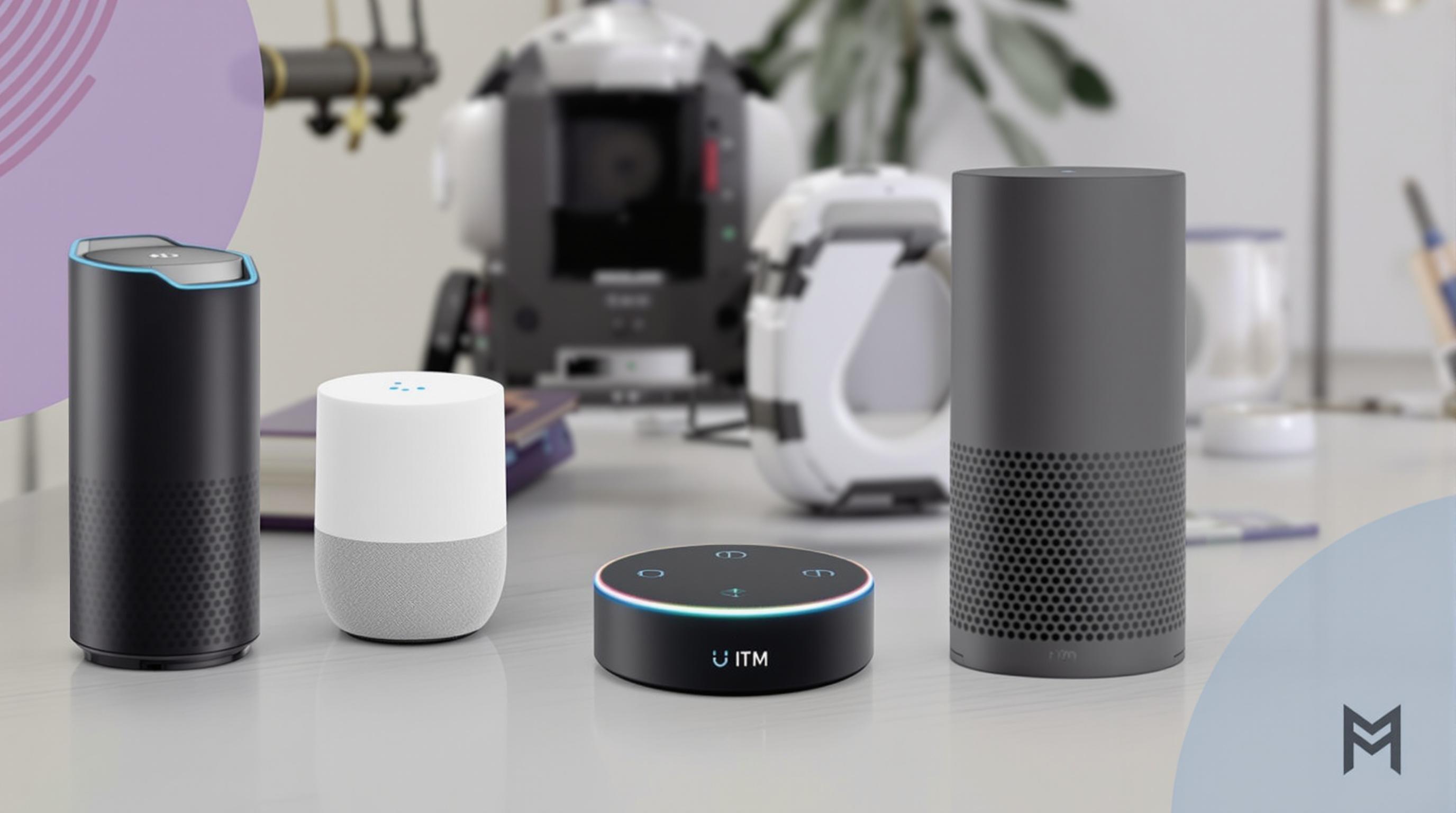
6 Surprising Trademark Battles Behind Popular Smart Home Devices Released Since 2019
Smart home devices have transformed modern living, but few realize the intense trademark battles that have shaped these innovations since 2019. From heated disputes to unexpected legal twists, this article explores six surprising trademark conflicts behind popular smart home gadgets that have caught industry insiders and consumers off guard.
The Alexa vs. Alixa Skirmish: When Similar Names Collide
Imagine launching a groundbreaking voice assistant and then facing a cease-and-desist because someone claims they hold the trademark for a confusingly similar name. That was precisely Amazon’s challenge with Alexa, when a small startup called Alixa threatened legal action for trademark infringement in 2019. Despite Alexa’s rapid dominance, Amazon had to navigate claims that the similarity could confuse consumers.
In a 2020 case that spilled into mainstream tech news, Amazon defended the “Alexa” mark by emphasizing its widespread public recognition and use, citing that millions of units had already been sold worldwide. The dispute underscores how naming conflicts can arise even when one brand is clearly a giant.
Ring's Trademark Tug-of-War over “Ring”
It’s hard to imagine home security without Ring video doorbells, but the company has not always had smooth sailing with its brand name. The word “Ring” itself posed legal challenges given its generic nature and usage across industries. After the acquisition by Amazon in 2018, Ring found itself embroiled in several trademark disputes over the name with lesser-known security firms who claimed precedence.
According to industry reports, one competitor filed a lawsuit alleging consumer confusion due to the identical name use in similar product categories. The court’s eventual ruling favored Amazon, reinforcing that Ring had established significant trademark rights through widespread marketing and sales.
A Story of Smart Thermostat Naming: Nest vs. NEST Technologies
Not a tale of post-2019 release, yet still pertinent, this earlier legal tussle illustrates how trademark battles echo through the smart home space. Google’s Nest thermostat, often considered the pioneer smart thermostat, faced a longstanding legal dispute with a Canadian company named NEST Technologies, which patented various networking solutions.
Though the timeline predates our 2019 cutoff, Nest’s brand challenges exemplify the persistent difficulties smart home innovators encounter over trademarks. Google eventually consolidated control after multiple court proceedings, highlighting the long-term nature of these conflicts.
The “Smart Hub” Naming Contest: Samsung vs. Startups
When Samsung unveiled its SmartThings Hub, it seemed destined for widespread adoption. However, multiple startups claimed the “Smart Hub” or variations thereof, leading to a patchwork of trademark objections in the US and Europe. Samsung, leveraging its vast legal team, attempted to secure exclusive rights, but the efforts weren’t without contest.
According to a legal analysis published in 2021, such disputes reveal the challenges in trademarking common descriptive terms in the tech field. The outcome? Samsung retained key rights but had to license or modify branding in several territories, illustrating the complex, often messy nature of intellectual property.
Wyze’s Fight Over “Wyze Cam” Branding
The budget-friendly Wyze Cam has been a huge hit with savvy consumers since its 2019 release. Yet, even Wyze encountered trademark headaches. An obscure electronics firm had registered “Wyze” as a trademark in non-overlapping categories much earlier, leading to a legal tussle over brand exclusivity.
While Wyze eventually prevailed in US courts by demonstrating distinct market niches and consumer perceptions, the battle highlighted how even smaller players need to be vigilant about the intricate trademark landscape. Industry insiders estimate about 30% of startup tech brands face such trademark challenges early on.
Humorous Anecdote: The Smart Fridge Debacle
Not all trademark battles are cut and dry. Samsung's SmartFridge faced a hilarious hiccup when a small company called “Smartfridge” (yes, one word) filed a trademark claim shortly after the product’s introduction in 2020. The conflict sparked memes online, with users joking about a “fridge fight” as legal briefs piled up.
Though settled amicably with an agreement allowing both to use the term under specific conditions, this episode reflects the quirky—and sometimes absurd—aspect of tech trademark skirmishes. It’s a reminder that behind serious legal battles lies an ongoing tussle between creativity and protection.
Statistics Reveal: Trademark Conflicts as Barriers or Catalysts
Did you know that over 40% of startups in the smart home industry report trademark-related delays or redesigns? According to a 2022 survey by TechIP Insights, such conflicts can stall product launches by an average of 6 months.
While frustrating, these battles often push companies to innovate naming and branding strategies more creatively, ultimately benefiting consumers by clarifying product identity. This paradox highlights trademark disputes not merely as hurdles but as catalysts within a competitive tech ecosystem.
Case Study: Apple HomePod Mini and Naming Nuances
Apple's launch of the HomePod Mini in 2020 was met with unexpected trademark scrutiny. Several small device manufacturers argued that the name “HomePod” infringed on existing marks that contained “Pod” in smart device contexts.
Apple's defense highlighted prior use, robust marketing footprint, and widespread consumer recognition, ultimately retaining rights to the name. This case demonstrates how even industry giants must tread carefully in the crowded trademark landscape to avoid costly litigation.
Closing Thoughts: The Future of Trademark Battles in Smart Home Tech
Trademark disputes in the smart home industry reveal a fascinating intersection of law, technology, and consumer culture. As devices become more ubiquitous and branded with everyday terms, these battles will likely intensify.
For consumers aged 16 to 70 embracing smart tech, understanding these stories enriches appreciation of the products beyond their utility. For innovators in the space, the lesson is clear: a clever product name is only half the battle; securing and defending trademark rights is equally vital.
At 45 years old, writing for both the curious novice and the seasoned tech enthusiast, I hope this journey through the surprising trademark battles behind your favorite smart home devices enhances your tech conversations and savvy.
Read More