Related Articles
- The Role of Cultural Norms and Social Pressure in Shaping Corporate Tax Behaviors Across Borders
- Top 6 Game-Changing HR Analytics Platforms Since 2019 Revolutionizing Employee Rights Enforcement
- The Unexpected Impact of Cultural Appropriation on Copyright Claims and Creative Ownership Debates
- Unveiling the Role of AI in Detecting Counterfeit Trademarks Before Official Approval
- The Quiet Impact of Cultural Nuances on Negotiation Dynamics in Global Business Agreements
- The Hidden Role of Psychometric Profiling in Choosing Co-Founders for Startup Success
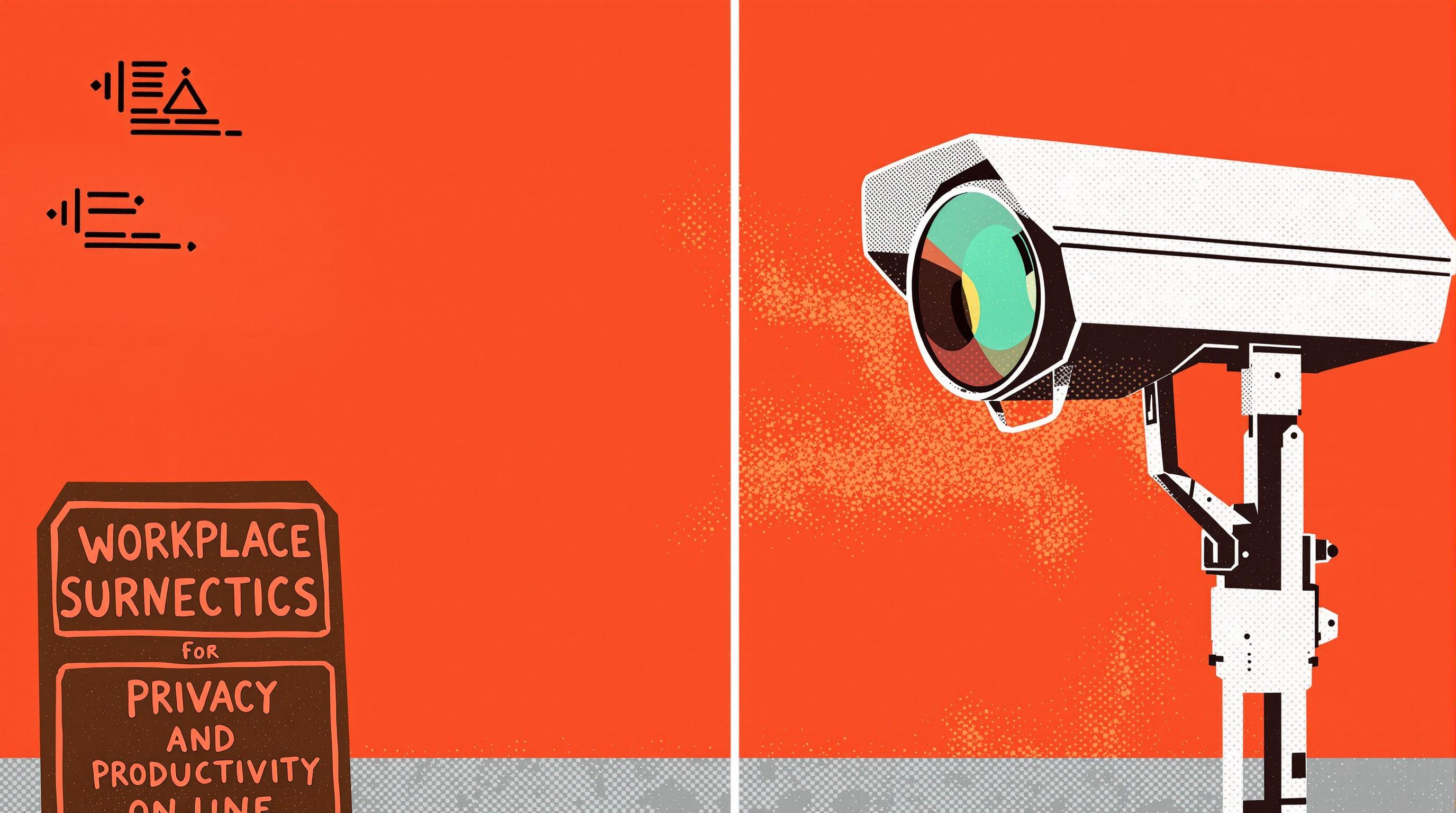
When Workplace Surveillance Crosses the Line: Unseen Conflicts Between Privacy and Productivity Rules
When Workplace Surveillance Crosses the Line: Unseen Conflicts Between Privacy and Productivity Rules
Workplace surveillance, intended to boost productivity, increasingly sparks tension as it encroaches on employee privacy. Striking a balance between monitoring and respect remains a complex, evolving challenge in modern work environments.
The Digital Panopticon: More Than Just Big Brother
Imagine sitting at your desk, knowing that every keystroke, mouse click, and even your facial expressions might be recorded. This isn’t dystopian fiction; it’s the reality in many offices today. The rise of digital workplace surveillance tools means employers can track productivity metrics in real time, from emails sent to websites visited.
While this may seem like a logical step toward efficiency, it often breeds resentment and anxiety. Workers may start feeling distrusted, which ironically can reduce engagement and creativity. A 2022 survey by Gartner found that 58% of employees felt workplace monitoring negatively impacted their morale.
When Monitoring Crosses the Line: Legality and Ethics
Legal frameworks regarding workplace surveillance vary widely, often lagging behind technology advancements. In the US, for example, federal laws offer minimal protections, leaving much to state regulations and company policies. Europe’s GDPR places stringent limits, emphasizing consent and data minimization.
But legality doesn't guarantee ethical soundness. As Dr. Linda Carver, a privacy law expert, notes, “Just because you can legally monitor employees doesn’t mean you should.” Excessive surveillance can be perceived as invasive, eroding trust between employers and staff.
Stories from the Frontline: Real-world Examples
Take the case of Sarah, a 28-year-old graphic designer in a mid-sized tech firm who discovered her employer was using software to take periodic screenshots of her computer without warning. "I felt like a criminal," she recounts. Productivity didn’t improve, but anxiety skyrocketed, and her creative output dipped.
Or consider the infamous Amazon warehouse surveillance, which uses AI to track worker movements and efficiency down to the second. Reports reveal this led to high stress levels and physical exhaustion, sparking widespread debate about worker rights versus company expectations.
Statistics Underlying the Debate
• 45% of companies worldwide increased electronic monitoring post-pandemic (Statista, 2023).
• 37% of employees reported feeling micromanaged with surveillance tools (Pew Research, 2021).
• Conversely, some firms saw up to a 20% increase in output when monitoring was transparent and coupled with employee consent (Harvard Business Review, 2020).
A Humorous Take: The Surveillance Paradox
Picture Bob, the office’s reigning champion of the "coffee break dance," busted on camera doing the floss right beside the water cooler. Post-surveillance, Bob’s impromptu moves ceased—leading to a sharp decline in overall office morale and a spike in stiff, robotic walking known colloquially as “the zombie shuffle.” Clearly, too much watching kills the fun!
Balancing Productivity with Privacy: Best Practices
Employers aiming to respect privacy while tracking performance should focus on transparency and communication. Informing employees about what is monitored and why fosters trust. Additionally, setting boundaries—like avoiding video surveillance without consent—helps maintain dignity.
For instance, Buffer, a remote work-friendly company, openly shares its productivity tools' metrics while allowing employees to opt-out of certain tracking. This flexible approach has been linked to high employee satisfaction and steady output.
The Psychological Toll of Constant Surveillance
Surveillance isn’t merely about data; it directly affects employee well-being. Constant monitoring can heighten stress levels, increase burnout risk, and reduce job satisfaction. According to a 2019 study in the Journal of Applied Psychology, employees under intense surveillance were 17% more likely to report symptoms of depression.
This invisible strain compromises creative thinking and collaboration—key drivers of innovation in knowledge-based industries.
The Future Landscape: AI and Beyond
With AI-driven analytics becoming more prevalent, workplace monitoring is entering uncharted territory. Predictive algorithms may flag “unproductive” behavior, sometimes erring on subjective judgments rather than objective facts. The risk of discrimination or bias embedded within these systems is a real and growing concern.
Policymakers and companies must proactively address these hidden conflicts before surveillance turns from a tool to a weapon of control.
A Call for Ethical Leadership and Employee Empowerment
Workplace surveillance should serve as a support mechanism rather than a control device. Leaders can foster an environment where employees feel valued and trusted by integrating feedback loops and involving workers in crafting productivity policies.
Igniting a culture of transparency and mutual respect can transform tensions into collaborative success stories—demonstrating that productivity need not come at the expense of privacy.
Closing Thoughts From a 52-Year-Old Writer
Having witnessed the evolution of workplace dynamics over decades, I see the potential for surveillance technology to be a double-edged sword. When wielded with respect and ethical consideration, it can enhance productivity without sacrificing privacy. But crossed lines risk not only legal troubles but also the very soul of workplaces—their human spirit.
Read More