Related Articles
- The Role of Cultural Norms and Social Pressure in Shaping Corporate Tax Behaviors Across Borders
- Top 6 Game-Changing HR Analytics Platforms Since 2019 Revolutionizing Employee Rights Enforcement
- The Unexpected Impact of Cultural Appropriation on Copyright Claims and Creative Ownership Debates
- Unveiling the Role of AI in Detecting Counterfeit Trademarks Before Official Approval
- The Quiet Impact of Cultural Nuances on Negotiation Dynamics in Global Business Agreements
- The Hidden Role of Psychometric Profiling in Choosing Co-Founders for Startup Success
7 Cutting-Edge Employee Monitoring Tools Launched Since 2019 That Redefine Workplace Compliance and Transparency
7 Cutting-Edge Employee Monitoring Tools Launched Since 2019 That Redefine Workplace Compliance and Transparency
Since 2019, innovative employee monitoring tools have transformed how companies manage compliance and transparency. This article explores seven of these cutting-edge solutions, each redefining workplace oversight with unique features and fresh perspectives.
The Evolution of Employee Monitoring: From Surveillance to Support
Let’s peel back the curtain on employee monitoring—not the big-brother dystopia many fear, but tools crafted to foster trust, compliance, and transparency. Imagine a workplace where employees and management share a transparent digital handshake, upholding mutual responsibilities rather than casting suspicious glances. This evolution is not without its challenges, sure—but progress in tech and a focus on ethics are reshaping the landscape.
6. ActivTrak: Data-Driven Insights with a Human Touch
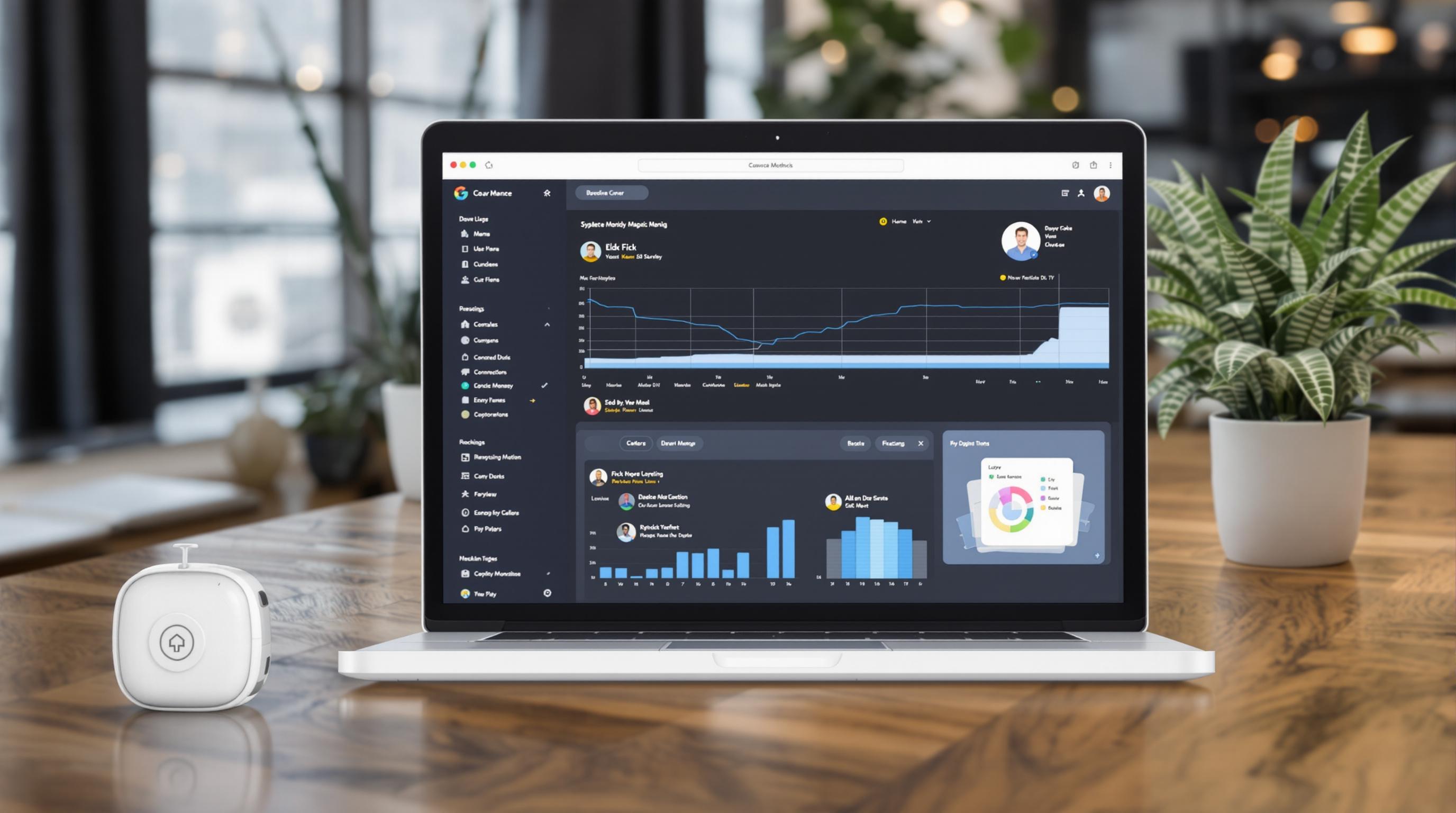
By 2023, ActivTrak had amassed a user base exceeding 30,000 companies worldwide, signaling its global appeal. Unlike intrusive trackers, ActivTrak prioritizes context, offering analytics that spotlight productivity without micromanagement. Picture a dashboard that reveals when employees are most engaged, which tasks eat time, and where workflow bottlenecks arise—perfect for nurturing a culture of continuous improvement.
Key Features:
- Anonymous user activity analysis
- Real-time productivity insights
- Compliance monitoring tools aligned with GDPR
The Human Side of High-Tech Monitoring
When I was younger, I might have recoiled at the thought of a digital eye watching my every move at work.
Now at 45, I see these tools as allies rather than adversaries. Take the case of a mid-sized software firm in Denver that integrated Veriato’s behavioral analytics; employees reported feeling “more understood,” and management noticed a 15% rise in goal achievement within six months—proof that transparency can build bridges instead of walls.
1. Teramind: Balancing Security and Privacy
First launched in 2019, Teramind redefined insider threat detection with AI-powered behavior analysis. It’s popular with financial institutions and healthcare providers, where sensitive data requires vigilant protection. Teramind’s standout feature is its ability to flag unusual behavior patterns while providing employees with visibility into what is monitored, thus reinforcing transparent compliance.
7. Hubstaff: Seamless Time Tracking Meets Monitoring
This tool started gaining traction around 2020, perfectly tailored for remote or hybrid teams. Hubstaff integrates GPS tracking, online timesheets, and screenshot capture to give managers a fuller picture of employee activity without being overly intrusive. Its flexibility allows employees to manually pause monitoring during breaks, echoing a respect for personal boundaries.
3. Veriato: Behavioral Analytics for Predictive Compliance
Veriato launched an advanced platform in 2020 that leverages behavioral analytics to anticipate risky employee actions before issues manifest. This approach is gaining acclaim in industries with strict regulatory frameworks, such as pharmaceuticals and education. As an example, a national university reduced policy violations by 25% within the first year of deployment.
Why Transparency Matters More Than Ever
In today's knowledge economy, trust underpins productivity. When employees understand the reason behind monitoring, the technology shifts from being a perceived “spy” to a guardian of fairness and integrity. Transparency isn't just a buzzword; it’s essential for fostering a culture where compliance feels like a shared value rather than imposed control.
A 2022 Survey Insight
According to a survey by Gartner, 61% of employees are more comfortable using monitoring tools when the company openly shares monitoring policies and practices, underscoring the importance of communication.
2. Workpuls: Real-Time Insights and Anomaly Detection
Launched in 2019, Workpuls combines time tracking with AI-based anomaly detection to highlight compliance risks proactively. Its user-centric features, like real-time alerts and automated reports, empower managers to address issues before escalation. For example, a cybersecurity firm reported a 40% decrease in policy breaches after adopting Workpuls over 18 months.
4. Teramind Enforcement Suite: Customizable Compliance Controls
Extending the Teramind ecosystem, their Enforcement Suite offers tailored compliance tools that align with sector-specific regulatory demands. This includes automated policy enforcement mechanisms and compliance scorecards, which have proven invaluable to multinational corporations managing diverse workforce regulations.
5. Time Doctor: Enhancing Productivity With Respect for Privacy
Since its 2019 update, Time Doctor emphasizes employee consent and privacy while tracking work hours and productivity patterns. Its promise? Empowering workers to self-monitor and manage distractions, supported by gentle nudges and friendly reminders rather than invasive oversight. This human-centric approach has encouraged adoption among creative freelancers and agencies alike.
Case in Point
A digital marketing agency in Austin reported that Time Doctor contributed to a 20% improvement in billable hours without compromising workers’ sense of autonomy or morale.
Looking Ahead: The Future of Monitoring and Compliance
As workplace norms continue evolving, monitoring tools must keep pace—not by intensifying surveillance but by promoting fairness, accountability, and wellbeing. The marriage of AI, behavioral science, and ethical governance promises a future where compliance is woven seamlessly into daily workflows, encouraging employees to thrive.
In essence, these seven innovations showcase how employee monitoring can transcend outdated paranoia, cultivating transparency that empowers rather than restricts. Our workplaces stand at a crossroads; how we choose to integrate these technologies will define not only productivity but our broader human experience at work.
Read More