Related Articles
- The Role of Cultural Norms and Social Pressure in Shaping Corporate Tax Behaviors Across Borders
- Top 6 Game-Changing HR Analytics Platforms Since 2019 Revolutionizing Employee Rights Enforcement
- The Unexpected Impact of Cultural Appropriation on Copyright Claims and Creative Ownership Debates
- Unveiling the Role of AI in Detecting Counterfeit Trademarks Before Official Approval
- The Quiet Impact of Cultural Nuances on Negotiation Dynamics in Global Business Agreements
- The Hidden Role of Psychometric Profiling in Choosing Co-Founders for Startup Success
Unseen Clauses: How Weird Legal Loopholes Could Make or Break Your Corporate Deal
Unseen Clauses: How Weird Legal Loopholes Could Make or Break Your Corporate Deal
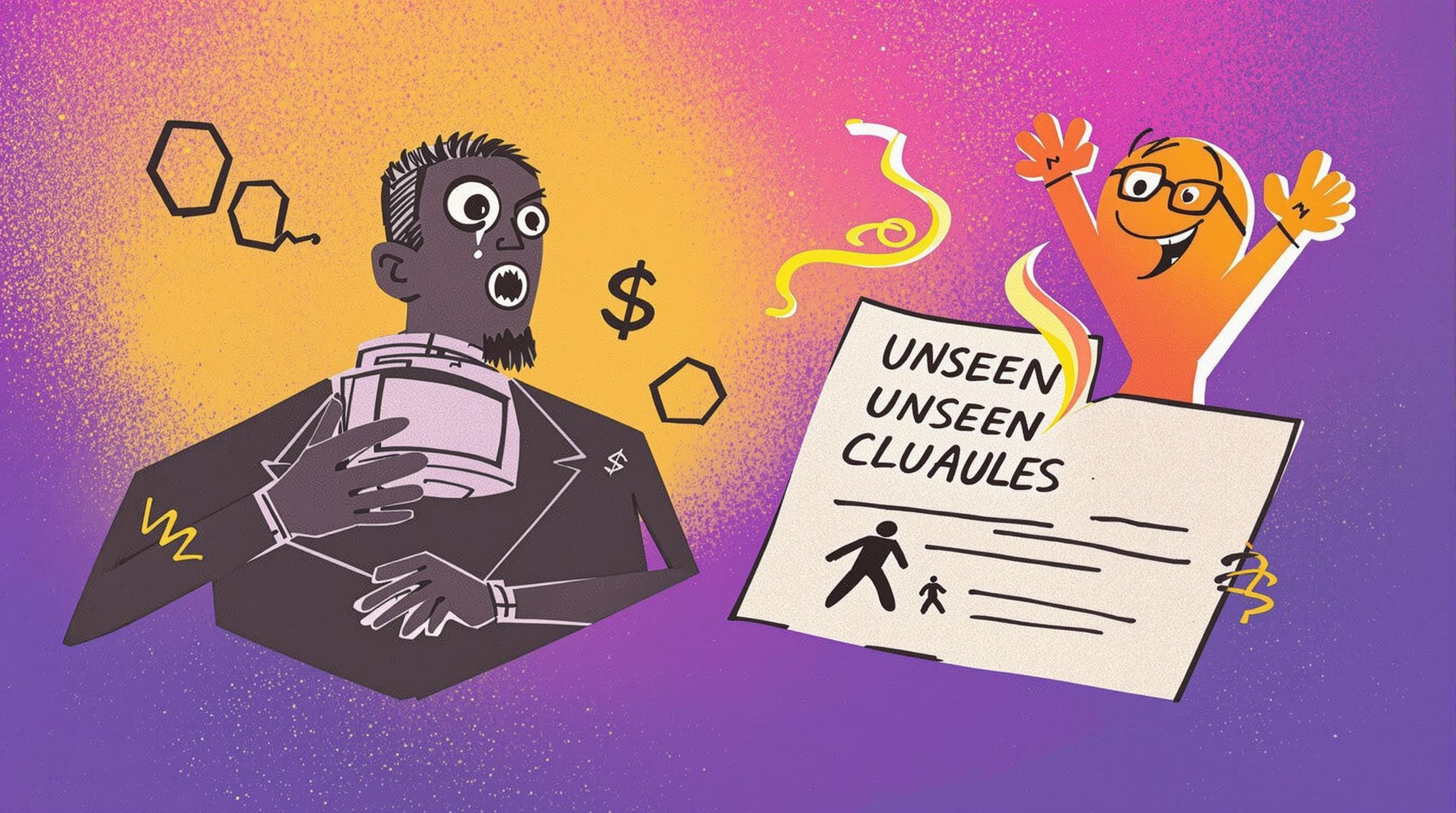
Hidden within the dense legal texts that underpin corporate agreements lie peculiar loopholes that can dramatically alter the fate of business deals. Understanding these unseen clauses—often buried in fine print—can mean the difference between boardroom triumph and financial disaster.
Imagine you’re sealing what you believe is a straightforward merger, only to discover months later that a quirky clause voids the entire deal if the office plants aren’t rotated every quarter. Sounds ridiculous? It’s not far off from reality. Legal contracts are notorious for harboring such oddities, sometimes deliberately inserted as a safeguard or, occasionally, an oversight with profound consequences.
The Quirkiest Loopholes That Shook Corporate America
In 2014, a mid-size tech firm in Silicon Valley experienced a deal collapse when a “material adverse change” clause interpreted by lawyers due to an unexpected weather event halved its valuation overnight. The clause wasn’t intended to cover sunny skies; rather, an obscure phrase allowed the other party to renege because the forecast predicted a hailstorm. It was a gamble lost to literal legal jargon interpretation.
Statistically Speaking: How Common Are These Loopholes?
According to a 2021 survey by the American Bar Association, over 30% of corporate mergers encounter at least one dispute related to vaguely worded clauses, often leading to delays or cancellations. This isn’t just dry legal trivia; it directly impacts the billions of dollars shuffled through M&A activities annually.
A Cautionary Tale: The Case of Johnson & Fremont
Back in 1999, Johnson & Fremont’s acquisition of a retail chain seemed locked and loaded. However, buried in the agreement was a clause stating the acquiring company had to maintain “no less than three physical offices within the original state." Within a year, Johnson & Fremont consolidated offices, inadvertently breaching the clause and triggering penalties that cost them millions in damages.
Who enforces these rules? Often, corporate lawyers who double as treasure hunters, scanning for wild cards that might be used in future disputes. While it’s fascinating to think contracts are like legal puzzles, the stakes are anything but playful: shareholders, employees, and entire markets can be affected.
Why Does This Happen? Tracing the Roots of Bizarre Clauses
Contracts aren’t drafted in a vacuum. They’re built from templates, past experiences, legal paranoia, and occasionally, attempts to outwit the other party. Many clauses that baffle outsiders are remnants of historical battles in courtrooms, loopholes waited to be exploited or patched. Sometimes, the legal teams add excessively specific conditions to protect against rare but costly risks.
When Weird Becomes Wonderful: Leveraging Loopholes to Your Advantage
It’s not all doom and gloom. Savvy negotiators often find gold in the fine print—clauses that provide unexpected leverage. For example, a relatively unknown law firm once saved a client $50 million by invoking a rarely cited “force majeure” clause pertaining to technological disruptions, something that standard contract templates overlook.
Humorous Realities in Corporate Law
Lawyer jokes exist for a reason. One attorney once quipped that a contract clause requiring the CEO to wear a “symbolic hat” during shareholder meetings was more enforceable than the company realized because of a literal interpretation in the contract’s language. While we may chuckle at this, the seriousness of literalism in law cannot be understated.
On a more everyday level, casual readers might not realize that many clauses are negotiated not just by experts but by businesspeople who sometimes overlook the legalese. Imagine signing a deal while your mind races with the excitement of the potential profits, only to find that a tiny footnote could upend your expectations.
Storytelling: A Young Entrepreneur’s Battle With The Fine Print
At just 27, Mia thought she had struck gold when she signed a licensing agreement for her app with a major tech company. Months later, she found a clause demanding royalty payments even for malfunctioning versions of her software. The lesson? Even youthful enthusiasm can’t substitute for legal scrutiny in corporate deals.
Best Practices for Navigating the Legal Labyrinth
If you’re about to jump into corporate agreements, consider these tips from seasoned legal pros:
- Read everything twice. Never skim; those “miscellaneous” sections often hide critical conditions.
- Engage specialized legal counsel. General advice won’t catch niche clauses.
- Ask questions. Don’t be afraid to challenge ambiguous wording or demand clarifications.
- Use digital tools. AI-driven contract analysis tools are emerging as indispensable allies.
Future Outlook: AI and the Evolution of Contract Review
Technology is reshaping how loopholes are detected. AI-powered platforms analyze thousands of contracts, spotting unusual phrases, predicting litigation risk, and even suggesting rephrasing to avoid ambiguity. In the next decade, these tools could make outdated legal clauses—dumped from long-forgotten disputes—far less problematic.
For the average reader, this means contracts might become more straightforward, but the human element—negotiation, interpretation, and enforcement—will remain crucial. After all, a clause is only as powerful as the people who wield it.
In Conclusion: The Devil Really is In the Details
You don’t need to be a lawyer, or even the type to enjoy contracts, to appreciate that minor legal quirks can have enormous consequences. Whether you’re an entrepreneur, investor, or simply an interested observer, recognizing the power of unseen clauses can protect your interest and sharpen your business instincts. Because in the wild world of corporate deals, sometimes it’s not what’s said loud and clear—it’s what’s whispered in the fine print that counts the most.
Read More